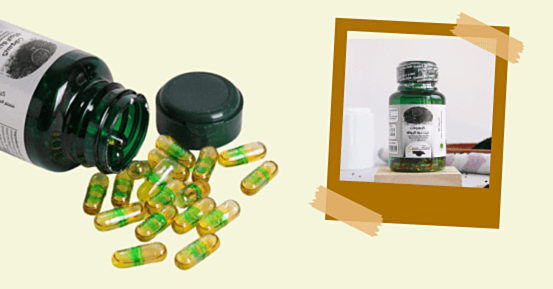
Nigella sativa is the botanical name of black seed. Black seeds are also called as black cumin, black caraway, kalonji, fennel flower or black onion seeds. The seed comes from a flowering plant (part of the Ranunculacea family) native to southwest Asia and the Mediterranean.
Black seed oil has been used traditionally for thousands of years-as natural remedy for a wide range of ailments.
The active chemical constituents in Black seed oil are thymoquinone, p-cymene, carvacrol, α-pinene and thymol etc.
Most of the pharmacological activities of black seed oil are attributed to the thymoqunine (TQ).
TQ is the main ingredient of the volatile oil and has a plenty of pharmacological benefits such as being hepato-protective, possesses anti-inflammatory properties, antibacterial, and antifungal properties. Black seed oil is rich in anti-oxidants that protect the body from the harms of free-radicals. Free-radicals are highly unstable species that cause
When strolling through the beauty aisle, the allure of rose water might tempt you, especially when faced with an array of bottles promising the essence of rose at a variety of price points. Yet, savvy consumers might wonder why pure rose water or rose hydrosol—a seemingly similar product—can command a higher price. Here’s the blooming truth about the luxurious nature of pure rose water compared to its cheaper counterparts.
The Essence of Pure Rose Water:
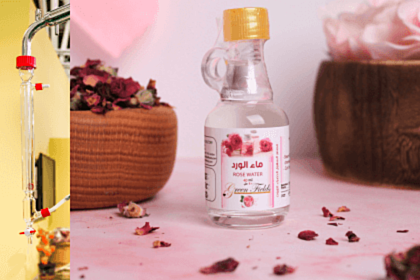
Pure rose water, also known as rose hydrosol, is crafted through a meticulous steam distillation process of rose petals. This method isn’t a quick affair; it requires a full day and an abundance of freshly picked, premium rose blossoms. Imagine placing pure water in a distillation apparatus with rose petals resting above. As the water boils, the petals release their essence into the steam, which then condenses back into a liquid brimming with the rich, natural components of roses.






Validate your login