Understanding the benefits of castor oil for beard growth Castor oil has gained widespread recognition for its remarkable ability to promote hair growth, making it a potent ally in the quest for a fuller, more robust beard. The key lies in its rich composition of essential nutrients, including vitamins, minerals, and proteins, which work synergistically to nourish the hair follicles and stimulate healthy growth.
Furthermore, castor oil possesses high levels of omega-6 fatty acids, particularly ricinoleic acid, which is known for its anti-inflammatory and antimicrobial properties. This makes it an effective remedy for addressing issues such as beard dandruff and dry, irritated skin, providing much-needed relief while fostering an optimal environment for beard growth.
In addition to its hair-nourishing benefits, castor oil also acts as a natural conditioner, imparting a lustrous sheen to the beard while helping to combat frizz and unruliness. Its emollient properties make it an ideal choice
The Ultimate Guide to Nurturing African Curly Hair: Top Oils for Radiant Locks
Introduction: Hello Beautiful Souls with Gorgeous Curls!
Caring for African curly hair is more than a routine—it's a ritual. It is a way to connect with your heritage, celebrate your unique beauty, and nourish your hair from root to tip. African curly hair, known for its thickness, natural dryness, and coily texture, thrives when given the right kind of attention.
At Green Fields Oils, we have been cold‑pressing pure, natural oils for over 20 years. We understand that the quality of the oil you use matters just as much as the oil itself. In this guide, we walk you through the best oils for African curly hair—and how to use them for radiant, healthy locks.
Why African Curly Hair Needs Special Care
African curly hair is naturally drier than other hair types. This is because the natural oils produced by your scalp have a harder time travelling down the twists and coils of your hair strands. Without proper moisture,
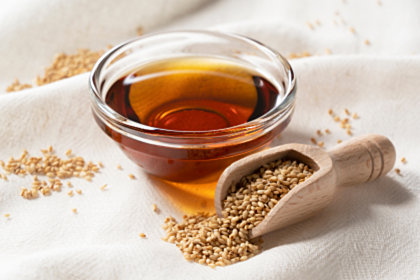
Sesame oil is a beloved ingredient in both kitchens and beauty cabinets. But not all sesame oil is the same.
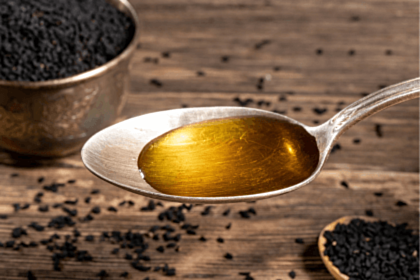
The aromatic toasted sesame oil is a staple in Asian cooking and tahini factories, prized for its deep, nutty flavour. Meanwhile, cold‑pressed sesame oil offers a completely different profile – one that is gentle, nutrient‑rich, and exceptionally beneficial for skin care.
This guide explains the key differences between the two and why cold‑pressed sesame oil deserves a place in your natural beauty routine.
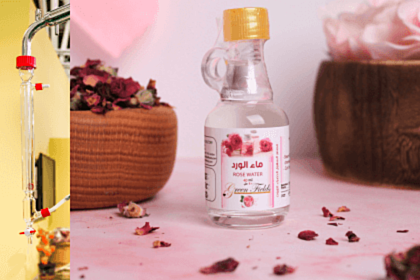
The difference between a true rose hydrosol and the commercial "rose water" found on many shelves comes down to one thing: the production method. One is the pure, water-soluble essence of the flower captured by steam; the other is often a synthetic, perfumed mixture. Here is the blooming truth about their differences.
A Note on Our Production
Before we dive in, it's important to know that at Green Fields Oils, we only produce true rose hydrosol. We do not extract the essential oil from our roses. This means that in our single steam distillation process, every bit of the rose's essence—its delicate, water-soluble compounds, and the precious micro-droplets of its oil—remain fully intact in the final product. The hydrosol you receive is as complete and pure as nature intended.
The Essence of Pure Rose Hydrosol
True rose hydrosol (also known as pure rose water) is not a simple infusion; it is a product of steam distillation. Fresh rose petals, typically from the prized Damask








Validate your login