


Garden Cress Benefits
Table of Contents
-
What Are Garden Cress Seeds?
-
Nutritional Profile (Vitamins, Minerals, Fatty Acids)
-
Health & Wellness Applications (Traditional Use)
-
How to Use Garden Cress Seeds & Oil
-
Safety & Precautions
-
Garden Cress vs. Black Seed Oil
-
Where to Buy & Internal Links
-
FAQ
-
Disclaimer
1. What Are Garden Cress Seeds?
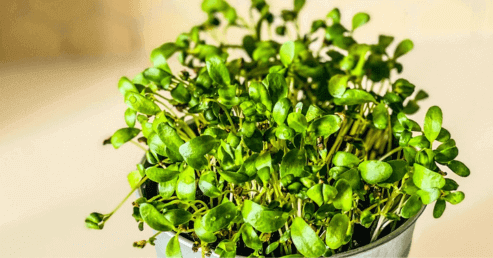
Garden cress (Lepidium sativum) is a fast‑growing, edible herb native to the Middle East, Europe, and Asia. Its small, reddish‑brown seeds – commonly called halim in Arabic – have been used for centuries in traditional medicine and cuisine.
The seeds are often soaked in water, mixed with milk, or ground into a paste. The oil pressed from the seeds is also valued for its high content of essential fatty acids, especially alpha‑linolenic acid (ALA, an omega‑3).
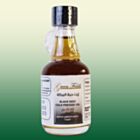
At Green Fields Oils, we cold‑press garden cress seeds to produce a pure, unrefined oil, and we also offer the raw seeds for culinary and traditional use.
2. Nutritional Profile
Garden cress seeds are a nutritional powerhouse. They are rich in:
| Nutrient | Approximate Amount per 100g |
|---|---|
| Protein | 20–25 g |
| Fat | 20–24 g (mostly unsaturated) |
| Fiber | 12–15 g |
| Iron | 20–30 mg |
| Calcium | 350–400 mg |
Fatty Acid Profile (in the oil)
| Fatty Acid | Percentage |
|---|---|
| α‑Linolenic acid (ALA – omega‑3) | 34–42% |
| Oleic acid (omega‑9) | 22–40% |
| Linoleic acid (omega‑6) | 11–18% |
| Palmitic acid | 8–12% |
| Stearic acid | 2–4% |
Sources: Recent analyses confirm these percentages. The high ALA content makes garden cress oil one of the richest plant‑based sources of omega‑3.
The seeds also contain antioxidants (flavonoids, phenolic compounds), vitamins A, C, E, and B‑complex vitamins.
3. Health & Wellness Applications (Traditional Use)
Important: The following information is based on traditional use and published research. It is not medical advice, and our products are not intended to diagnose, treat, cure, or prevent any disease.
Garden cress seeds have been studied for several potential benefits:
-
Iron source for energy – A 2024 study on anemic girls showed that taking garden cress seed powder increased hemoglobin levels from 8.9 to 10.4 g/dL over a period of 8 weeks. The seeds are rich in iron, which is essential for healthy blood.
-
Lactation support – Traditionally, boiled garden cress seeds in milk are used to promote breast milk production. A 2022 clinical trial found that taking garden cress seed powder significantly increased breast milk volume and infant weight gain compared to a placebo.
-
Anti‑inflammatory & antioxidant – A 2025 review highlighted that garden cress seeds contain compounds that may help reduce oxidative stress and inflammation in the body.
-
Bone health – The high calcium content supports healthy bones and teeth.
-
Digestive health – The seeds are a good source of dietary fiber, which helps maintain regular bowel movements.
-
Skin & hair – Traditionally, a paste of garden cress seeds is applied to the scalp to promote hair growth and treat dandruff. The oil can be mixed with carrier oils for skin moisturizing.
4. How to Use Garden Cress Seeds & Oil
For the seeds:
| Use | Method |
|---|---|
| Lactation support (traditional) | Boil 1 tablespoon of seeds in 1 cup of milk for 5–7 minutes. Strain and drink once daily. |
| Hair mask | Soak 2 tablespoons of seeds overnight. Grind into a paste. Apply to scalp and leave for 30 minutes, then wash. |
| Cooking | Sprinkle soaked seeds over salads, yogurt, or smoothies. Add to bread dough or energy balls. |
| General wellness | Soak 1–2 teaspoons of seeds in water for 4–6 hours, then eat (drain or drink the water). |
For the cold‑pressed oil:
| Use | Method |
|---|---|
| Salad dressing | Mix 1 tablespoon of garden cress oil with lemon juice and herbs. |
| Skin care | Apply 2–3 drops directly to clean skin, or mix with a few drops of your favourite essential oil. |
| Hair oil | Massage 1 teaspoon into the scalp and leave for 30 minutes before washing. |
Dosage note: A typical safe amount is up to 3 grams of seeds per day (about 1 teaspoon) for up to 4 weeks. For the oil, start with ½ teaspoon daily.
5. Safety & Precautions
Garden cress seeds and oil are generally safe for most people when used as a food or traditional supplement. However, please note:
-
Allergies – May cause allergic reactions in sensitive individuals (skin rash, itching, respiratory discomfort).
-
Blood thinners – The seeds contain vitamin K, which can interact with anticoagulant medications (e.g., warfarin). Consult your doctor before use.
-
Thyroid – Contains goitrogens, which may affect thyroid function in large amounts. Not a concern for normal dietary use, but avoid excessive intake if you have a thyroid disorder.
-
Pregnancy & breastfeeding – Avoid medicinal amounts without medical advice. The traditional use for lactation should be done under the guidance of a healthcare provider.
-
Stomach upset – Large amounts may cause nausea, diarrhoea, or bloating. Start with a small dose.
Always consult a qualified healthcare professional before using any herbal product therapeutically.
6. Garden Cress vs. Black Seed Oil
While both are pressed from seeds, they have different profiles:
| Feature | Garden Cress Seed Oil | Black Seed Oil (Nigella sativa) |
|---|---|---|
| Primary fatty acid | α‑Linolenic acid (ALA – omega‑3) – 34‑42% | Linoleic acid (omega‑6) – 50‑60% |
| Key active compound | Antioxidants, glucosinolates | Thymoquinone |
| Traditional use | Lactation, energy, hair growth | Immune support, digestion, inflammation |
| Flavour | Mild, nutty | Strong, peppery, earthy |
Both oils complement each other. Some people rotate them or blend small amounts.
Read our guide to Black Seed Oil
7. Where to Buy & Internal Links
We offer 100% cold‑pressed garden cress seed oil and raw garden cress seeds – both produced in Jordan without additives, solvents, or preservatives.
8. Frequently Asked Questions (FAQ)
Q1: Can garden cress seed oil be applied directly to the skin?
Yes. It is a carrier oil and is generally safe for topical use. Perform a patch test first.
Q2: Does garden cress seed oil help with hair growth?
Traditionally, the paste of the seeds is used on the scalp. The oil can also be massaged in – its rich fatty acid profile may nourish the hair follicles.
Q3: What is the recommended daily dose of garden cress seeds?
For general wellness, 1–2 teaspoons of soaked seeds per day is common. For therapeutic use, consult a practitioner.
Q4: Is garden cress oil safe to cook with?
It has a moderate smoke point (~210°C). Best used for salad dressings or low‑heat sautéing.
Q5: Does garden cress seed oil contain gluten?
No. The seeds are naturally gluten‑free. Our oil is produced in a facility that handles only seeds and herbs (no gluten‑containing grains).
9. Important Disclaimer
The information provided in this article is for educational and informational purposes only. It is not a substitute for professional medical advice, diagnosis, or treatment. The statements made about garden cress seeds and oil have not been evaluated by regulatory bodies. Our products are not intended to diagnose, treat, cure, or prevent any disease. Always seek the advice of your physician or other qualified health provider with any questions you may have regarding a medical condition or before starting any new health regimen.




Validate your login