



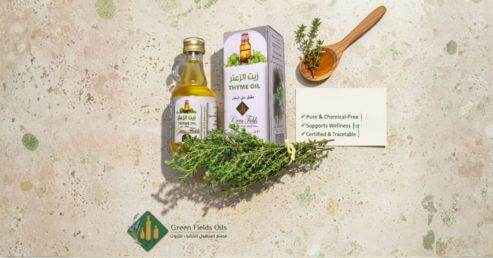
Not all "thymes" are created equal.
In the Levant, we are blessed with three distinct botanical treasures that are often confused: Za'atar (Origanum syriacum), Common Thyme (Thymus vulgaris), and the lesser-known but equally potent Syrian Thyme (Thymus syriacus).
Each tells a different story – of terroir, tradition, and therapeutic power. Here is a comprehensive look at these three remarkable plants, based on scientific research and centuries of traditional use.
1. Za'atar (Origanum syriacum) – The Culinary King ?
This is the classic za'atar of our breakfast tables – the one we mix with olive oil and sumac, and bake into our breads. Known in the Middle East as a home remedy and a staple in the food and beverage industry, this plant is deeply woven into our culinary identity.
| Property | Details |
|---|---|
| Scientific Name | Origanum syriacum (Lamiaceae family) |
| Leaf Character | Small, oval, covered with fine soft hairs (pubescent) |
| Chemical Signature | Dominated by carvacrol and/or thymol; can contain thymoquinone in some populations. The composition varies significantly depending on the population |
| Essential Oil Content | Ranges from 3.44% to 8.4% depending on season and cultivation method |
| Traditional Uses | The key ingredient in the iconic Za'atar spice blend; used in Levantine cuisine for breads, meats, and vegetables |
| Scientific Validation | Possesses antioxidant, antimicrobial, and antiparasitic capacities; may be beneficial in treating cancer, neurodegenerative disorders, and peptic ulcers |
The Takeaway: Za'atar is the most versatile of the three, deeply woven into our culinary identity. Its chemical profile shifts dramatically depending on where and when it is harvested, giving each batch a unique character. The cultivated populations harvested just before flowering have been shown to have higher peak content of both thymol and carvacrol.
2. Syrian Thyme (Thymus syriacus) – The Potent Wild One ?
This is the variety with small, narrow leaves and an intensely pungent aroma. It is a wild-growing treasure of the Levant, known scientifically to give positive results against coughs, respiratory complaints, and gastrointestinal disorders.
| Property | Details |
|---|---|
| Scientific Name | Thymus syriacus Boiss. (also known locally as Za'atar or Zouba') |
| Leaf Character | Small, linear-lanceolate, rigid leaves – noticeably smaller than other thymes |
| Chemical Signature | Carvacrol-dominant (82.0–85.7%) with thymol (3.1–4.0%). Other components include o-cymene (3.1%), γ-terpinene (1.0–2.3%), and β-caryophyllene (0.9–1.3%) |
| Essential Oil Content | Approximately 2.25% in pre-flowering period and 2.35% during full flowering |
| Traditional Uses | Respiratory support, digestive health; gargle for inflamed gums and throat; topical oil for pain relief |
| Scientific Validation | Demonstrates antibacterial activity against Gram-negative bacteria; potent antileishmanial activity; recommended as a bactericidal agent against Brucella melitensis |
The Takeaway: Syrian Thyme is the most potent of the three, with a fierce, wild character. Its small leaves pack a powerful punch, both in flavour and therapeutic action. Studies suggest that T. syriacus could be considered a rich source of carvacrol.
3. Common Thyme (Thymus vulgaris) – The Classic European ?
This is the thyme most familiar to Western kitchens – the one used in Mediterranean and European cooking. Cultivated for its essential oil, it has many chemo-variants.
| Property | Details |
|---|---|
| Scientific Name | Thymus vulgaris L. (Lamiaceae family) |
| Leaf Character | Small, oval, smooth |
| Chemical Signature | Thymol-dominant (61.6%) with carvacrol (2.6–3.1%). Other major components include p-cymene (11.2%), γ-terpinene (7.4%), methyl thymol (3.9%), and methyl carvacrol (3.3%) |
| Essential Oil Content | Approximately 0.3% from aerial parts |
| Traditional Uses | Respiratory tract infections, coughs, expectorant; topical use for minor wounds and skin inflammation |
| Scientific Validation | Proven antimicrobial and antioxidant activity; thymol is a common ingredient in dental products |
The Takeaway: Common Thyme is the most refined of the three, with a more delicate, floral character. It is the classic choice for culinary applications where a subtler touch is desired.
? A Note on Chemical Variability
One fascinating aspect of these plants is their chemical polymorphism. The composition of essential oils can vary dramatically based on:
-
Geographical location
-
Harvest time
-
Cultivation method (wild vs. cultivated)
For example, carvacrol and thymol levels in different populations of Origanum syriacum can range from 2.7% to 69.8% for carvacrol, and 0.3% to 57.6% for thymol. This is why working with authentic, traceable sources matters.
? Quick Comparison Table
| Feature | Origanum syriacum | Thymus syriacus | Thymus vulgaris |
|---|---|---|---|
| Common Name | Za'atar, Syrian Oregano | Syrian Thyme | Common Thyme |
| Leaf Size | Small, oval, hairy | Very small, narrow, rigid | Small, oval, smooth |
| Main Component | Carvacrol (up to 69.8%) | Carvacrol (82–85.7%) | Thymol (up to 61.6%) |
| Essential Oil % | 3.44–8.4% | ~2.25–2.35% | ~0.3% |
| Primary Use | Culinary (Za'atar spice) | Medicinal (potent) | Culinary (European) |
| Potency | High | Highest | Moderate |
| Origin | Levant | Levant | Mediterranean/Europe |
? Why This Matters
Understanding these differences is not just academic. It affects:
-
Flavour – which thyme to use in your cooking
-
Therapeutic use – which variety for which ailment
-
Product formulation – which oil for which application
Whether it is the fierce potency of Thymus syriacus, the culinary versatility of Origanum syriacum, or the refined elegance of Thymus vulgaris, each has a unique place in our natural heritage.
At Green Fields Oils, we honour this legacy by working with pure, natural, traceable plants – extracted without solvents or chemicals, much as the ancients did, but with modern quality control.
Which one is your favourite? Za'atar on your morning bread, Syrian thyme in your tea, or common thyme in your stew? ?





Validate your login