



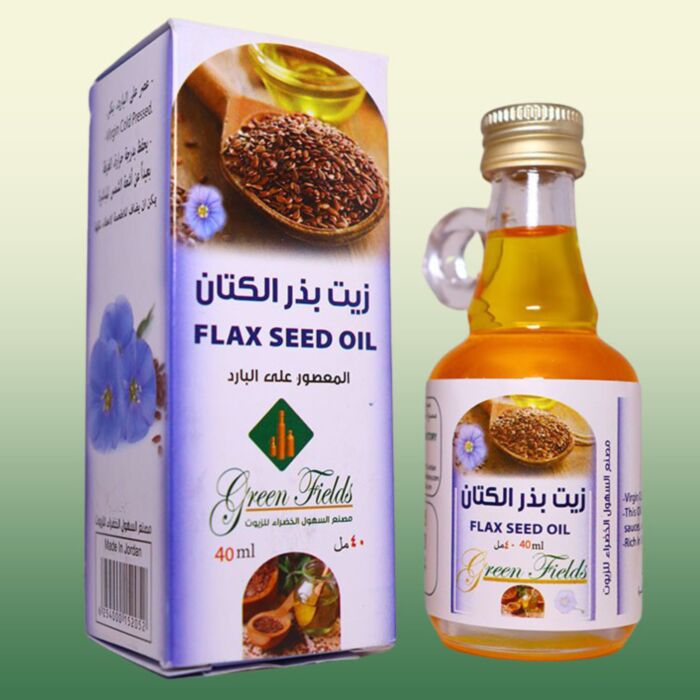
Cold-Pressed Flaxseed Oil (Linseed)
Pure flaxseed oil (Linum usitatissimum), cold-pressed in our own facility in Amman from selected seed. No heat, no solvents, no refining.
The richest plant source of omega-3
Flaxseed oil is roughly 50–60% alpha-linolenic acid — substantially higher than walnut, cress, or any other oil we press. Nothing else in the plant world comes close in a culinary oil.
It also naturally contains vitamin E and lignans carried over from the seed. The colour is golden to light amber, and the flavour is mild and grassy with a faint nuttiness.
Never cook with it
This is the most important thing to know. The same omega-3 content that makes flaxseed oil valuable makes it fragile — heat destroys it, and quickly. Don't fry with it, don't bake with it, don't add it to anything still on the heat.
Use it cold, or stir it into food after cooking:
- In smoothies and shakes, where the mild flavour disappears
- Over salads, alone or in a dressing
- Stirred into yoghurt, labneh or hummus
- Drizzled over cooked vegetables, potatoes or grains once plated
- Blended into dips
- Taken by the spoonful, as many people prefer
Storage — read this before you buy
Flaxseed oil is the most delicate oil we produce. It reacts to heat, light and air faster than anything else in our range.
Refrigerate it as soon as you open it, keep the cap tightly closed, and use it within a few weeks. If it tastes bitter, sharp or faintly of fish, it has gone rancid and should be discarded — that flavour is not what flaxseed oil is supposed to taste like.
A bottle left in a warm kitchen will turn within days. This isn't a caution we add out of habit; it's how the oil behaves.
On skin and hair
Used on dry skin and as a scalp oil, usually massaged in and washed out rather than left on. As with culinary use, keep it cool.
How it's made
Cold-pressed on German machinery without heat or chemical solvents, then filtered and bottled. Unrefined, non-GMO, hexane-free, vegan-friendly. Nothing added.
Produced in an ISO 22000 certified facility and tested by independent third parties. Halal certified. Available in retail bottles, bulk, and private label.
Notes
- Colour and flavour vary naturally between batches with the season and harvest.
- Flaxseed oil is also known as linseed oil. Note that linseed oil sold for wood and paint is refined or treated and is not food grade — this is the edible oil.
- If you take medication or have a medical condition, speak to a healthcare professional before adding any oil to your diet regularly.
| SKU | 648 |
|---|---|
| Weight | 0.156000 kgs |
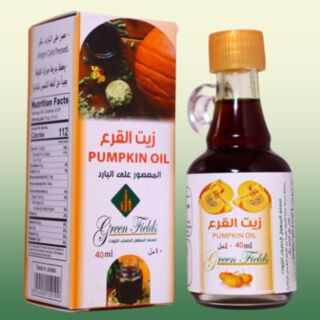
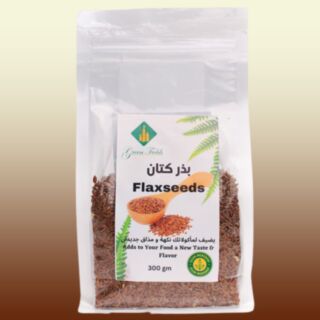
| Brand | Green Fields |
| Country of Manufacture | Jordan |
What Makes Ours Different
Freshness is the whole product
With most oils, freshness is a nice-to-have. With flaxseed it is the product. An oil pressed six months ago and shipped warm across two continents is not the same thing as one pressed recently and kept cold — regardless of what the label claims.
We press in Amman and sell from Amman. The distance between our press and your kitchen is short, and that matters more here than in any other oil we make.
We tell you how to keep it
Plenty of flaxseed oil is sold with no storage guidance at all, sitting on an unrefrigerated shelf. The customer takes it home, leaves it in a cupboard, tastes something bitter and fishy weeks later, and concludes flaxseed oil is unpleasant.
It isn't. That's rancidity, and it's avoidable. We say so plainly on the page and on the bottle, because a customer who stores it properly comes back and one who doesn't won't.
Small batches, not standing stock
We press to demand rather than filling a warehouse. For an oil with a short useful life, that is the difference between selling a fresh product and selling old stock at a discount.
Cold-pressed on German machinery
No heat, no solvents, no hexane, no refining. With flaxseed this is not a marketing preference — heat during extraction damages the alpha-linolenic acid you are paying for, which is the entire reason to buy the oil.
Certified and documented
Produced in an ISO 22000 certified facility, tested by independent third parties, Halal certified. Batch documentation available to commercial buyers.
Nothing added
No antioxidants, no preservatives, no blending with cheaper oils to extend shelf life — a common practice with expensive delicate oils, and one that is difficult for a customer to detect. Flaxseed oil, and nothing else.
The Story of Flax
The most useful plant nobody talks about
Flax has been grown for longer than almost anything else people cultivate. Archaeologists have found dyed flax fibres in a cave in Georgia dating back roughly 30,000 years — evidence that humans were working with this plant before agriculture existed, before pottery, before the wheel.
Its botanical name says the rest. Linum usitatissimum means, roughly, "the most useful flax" — a name given by people who understood that one plant provided cloth, oil, rope, paper and food.
Cloth first
Linen is flax. The word "linen" comes from linum, and the fibre pulled from the plant's stem was the textile of the ancient world. Egyptian mummies were wrapped in it. Mesopotamian temples clothed their priests in it. In a hot climate, no better cloth existed before cotton arrived.
The oil was the second harvest — pressed from the seed once the fibre had been taken.
The seed, and its two lives
Flaxseed oil has always led a double life. Pressed and left alone, it is food. Boiled or treated with driers, it becomes the oil that binds paint, seals wood and makes linoleum — a material whose name is simply linum and oleum, flax and oil.
This is why "linseed oil" can mean two entirely different things depending on which shop you're standing in, and why the food version has to say so.
What we understood later
Flax was valued for millennia without anyone knowing why. Only in the twentieth century, when the essential fatty acids were identified, did it become clear that flaxseed is the richest plant source of alpha-linolenic acid on earth — around half of the oil by weight.
The plant hadn't changed. Our understanding had.
Why it must be kept cold
That same discovery explains the one demanding thing about this oil. Alpha-linolenic acid is a fragile molecule — three double bonds, each a place where oxygen can attack. It is precisely what makes flaxseed oil valuable, and precisely what makes it turn faster than any other oil in a kitchen.
Older cultures worked around this without knowing the chemistry: they pressed small quantities, used them quickly, and stored them cool and dark. We do the same, with refrigeration and a shorter shelf life. The reason is thirty thousand years old; only the explanation is new.
Validate your login